From everyday bumps and bruises to more serious emergencies like choking or burns, knowing basic baby and child first aid can give families the confidence to act quickly when it matters most. While no one wants to imagine their child needing emergency first aid, having the right knowledge can make all the difference in those crucial first moments.
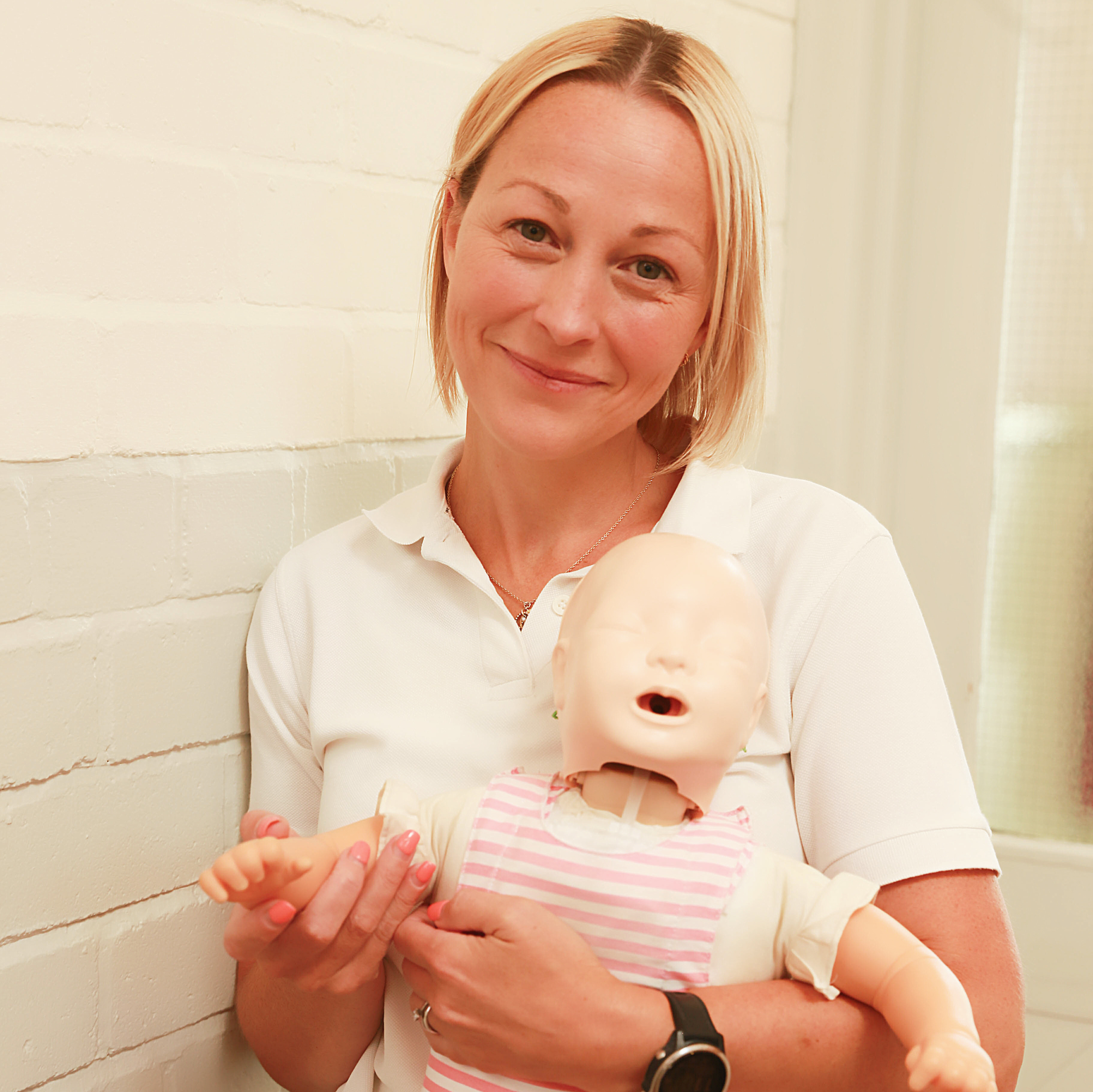
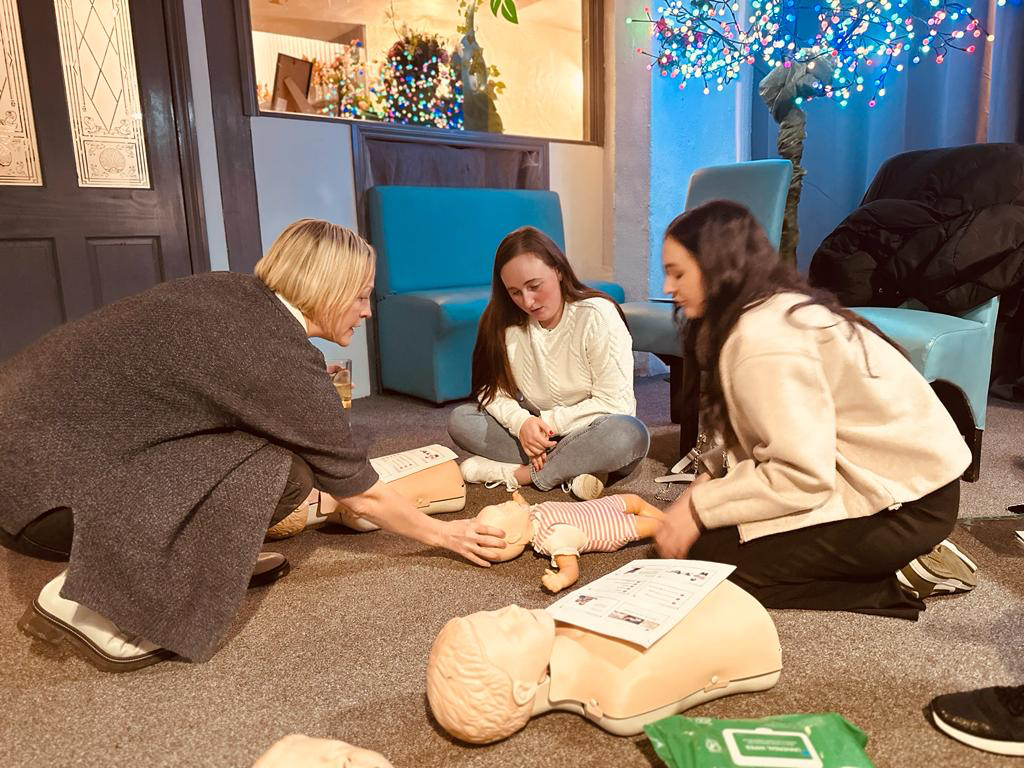
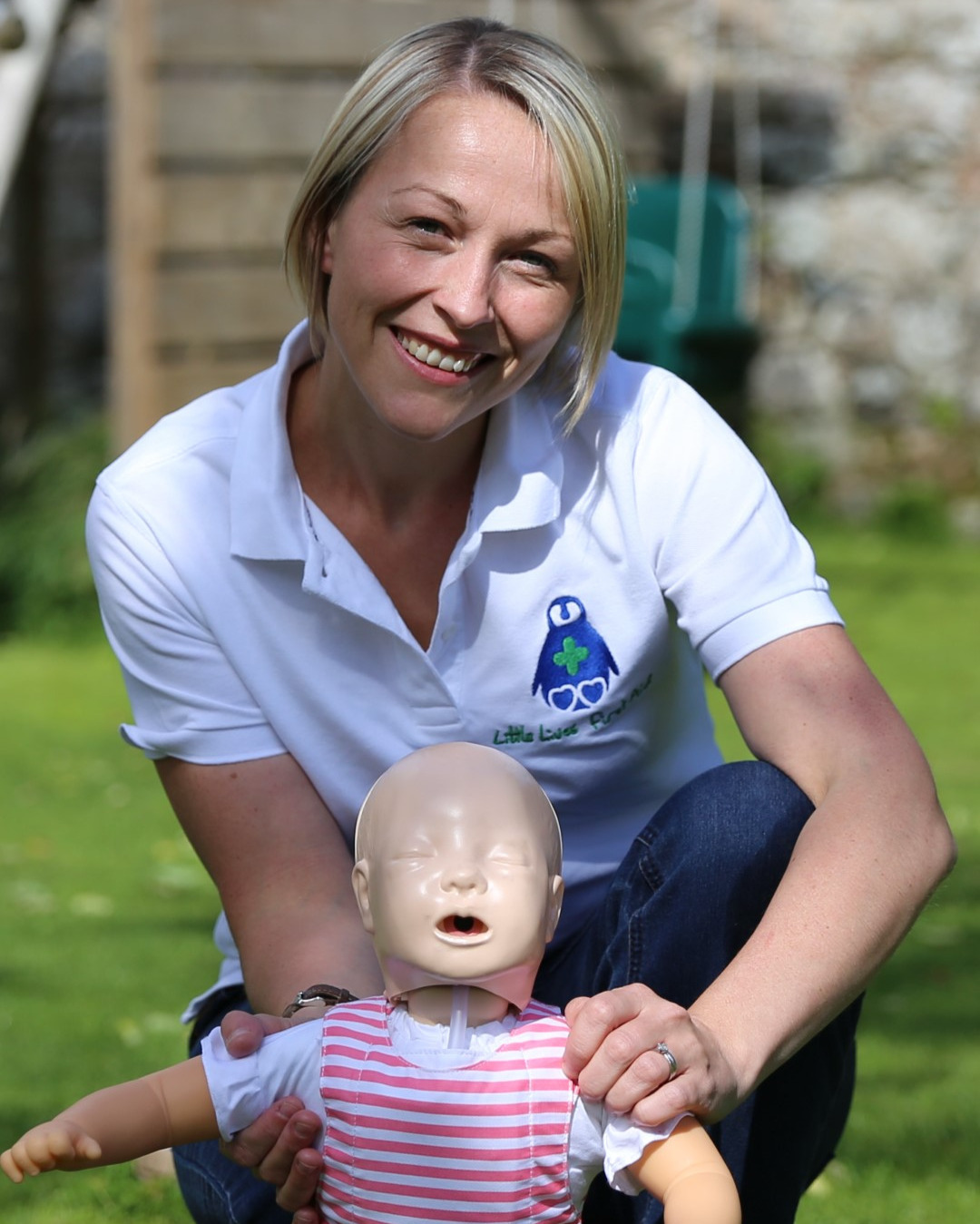
To help families feel more prepared, we spoke to Francesca, founder of Little Lives First Aid, a specialist provider of baby and child first aid training across Aberdeen and Aberdeenshire. As a qualified paramedic, experienced first aid trainer and mum, Francesca is passionate about empowering parents, grandparents and carers with practical first aid skills that could one day save a life.
In this Q&A, Francesca shares her top first aid advice for families, clears up some common misconceptions, highlights the seasonal risks to be aware of this summer and explains the simple steps every parent should know to help keep their little ones safe.
Whether you're expecting your first baby, navigating the toddler years or simply looking to refresh your knowledge, this guide is packed with expert baby and child first aid advice to help you feel more confident if the unexpected happens.
As a qualified paramedic and mum yourself, what's the one first aid skill you believe every parent or carer should know before they need it?
“I'd say the most important thing isn't just learning one specific skill - it's having the confidence to act. So many people worry about getting it wrong, but doing something is almost always better than doing nothing.
“If I had to choose one practical skill for every parent or carer to know, it would be what to do if a baby or child is choking. It's one of the most common fears parents have - knowing the correct first aid and having the confidence to use it can make all the difference while waiting for an ambulance.”
For new parents who might feel overwhelmed, when is the best time to learn baby and child first aid, and why is it something you think every family should prioritise?
“Anytime! Ideally, I'd encourage parents to learn baby and child first aid during pregnancy or in those first few months after their baby arrives, but the truth is it's never too late. Whether your child is a newborn, a toddler or starting school, having those skills can give you confidence and peace of mind.
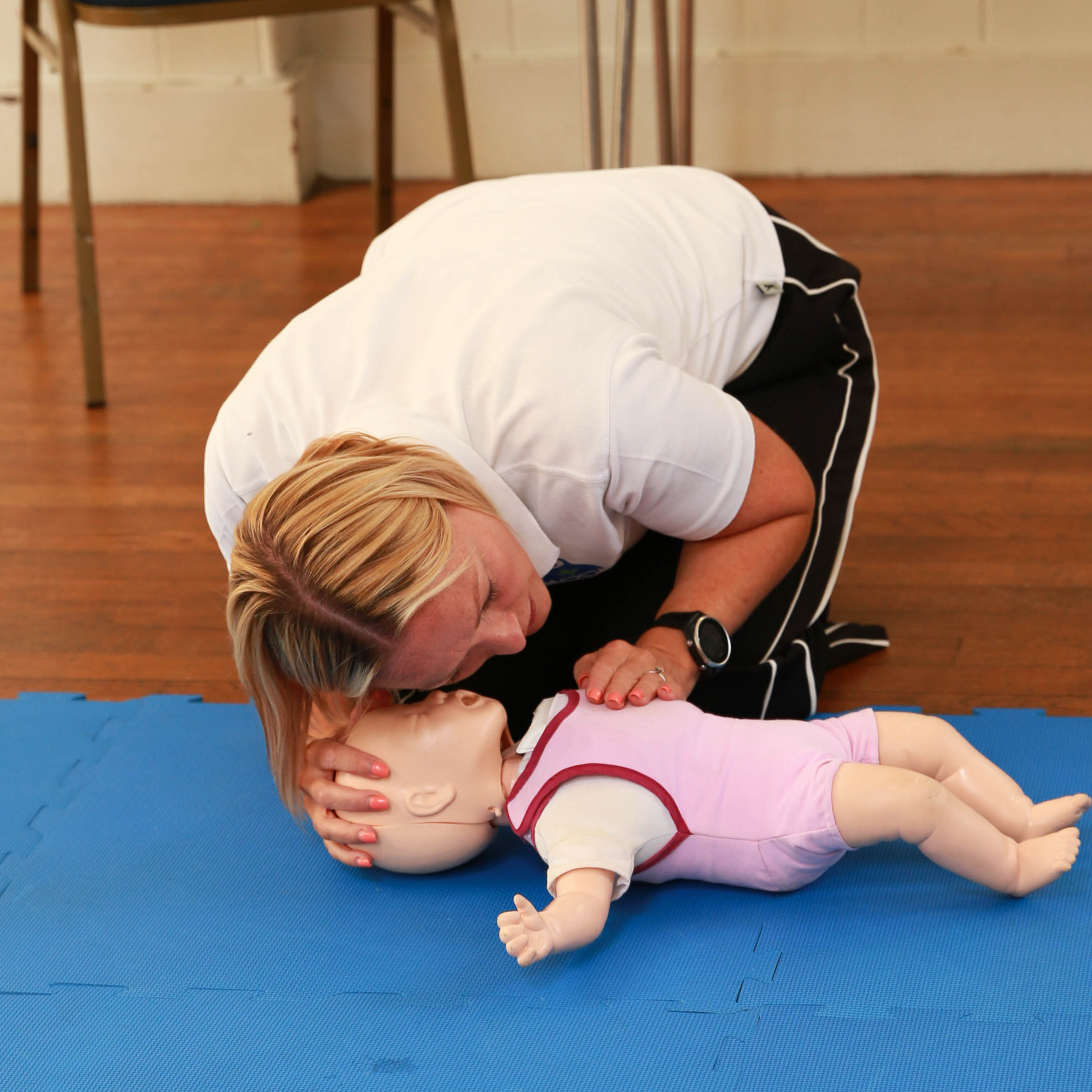
“Even if you've done a general first aid course before, it's still worth learning paediatric first aid. Babies and children aren't just small adults - their bodies are different and the emergencies they commonly face are different too. Some first aid techniques, such as CPR and choking treatment are adapted to suit their age and size.
“Of course, none of us like to think about our little ones becoming sick or getting injured, but accidents and emergencies can happen, so it's always better to be prepared. For me, paediatric first aid is one of the most valuable skills a parent, grandparent or anyone caring for children can have. You hope you'll never need it, but if you do, knowing what to do in those first few minutes could make all the difference.”
What are some of the most common accidents involving babies and toddlers, and how can parents reduce the risk at home?
“I’m a big believer that prevention is better than cure. Over the years, I've attended many incidents involving babies and young children, often occurring during everyday activities at home.
“Babies and toddlers are inquisitive. They love to explore the world around them, but they have no sense of danger. That's why accidents such as falls, burns, choking and poisoning are some of the most common emergencies we see.
“The good news is that lots of these accidents can be prevented with a few simple steps. Keeping hot drinks and saucepan handles out of reach, locking away medicines and cleaning products, checking for choking hazards and always keeping a close eye on children around water can all make a real difference.
“Of course, we can't prevent every bump or scrape, and accidents can still happen. That's why I think accident prevention and first aid go hand in hand. You can't stop everything from happening, but you can reduce the risks and be prepared if the unexpected does happen.”
What should parents do if their baby or child is choking, and what mistakes should they avoid in those crucial first moments?
“Choking is one of the biggest fears for parents, and it's something I'm asked about on almost every course I teach. The best thing you can do is learn the correct first aid techniques before you ever need them. In an emergency, it's much easier to respond if you've already practised what to do.
“Prevention is just as important. Being aware of common choking hazards, preparing food appropriately for your child's age and stage of development, encouraging children to sit while eating and supervising them during mealtimes and when they're playing with small objects can all help reduce the risk.
“It's also important to know the difference between gagging and choking. Babies gag frequently, especially when they're learning to eat, and it's a normal protective reflex. If we intervene every time they gag, it can make the weaning experience much more stressful for both parent and child.
“If a baby or child is unable to cough effectively, cry or breathe, begin the appropriate first aid and call 999 immediately. Don't be tempted to put your fingers into a child's mouth to remove an object unless you can clearly see it, as this could push it further down the airway.”
How can parents tell when an illness or injury can be treated at home, and when it's time to seek medical attention?
“One of the most valuable pieces of advice I can give parents is to trust their instincts. As a mum myself, I know how well parents know their own children. If your child seems unusually unwell, isn't behaving like themselves or you simply feel something isn't right, it's always worth seeking medical advice.
“Many childhood illnesses and minor injuries can be managed at home with rest, fluids, comfort and basic first aid. However, it's important to seek urgent medical attention if your child is struggling to breathe, becomes difficult to wake, has a seizure, develops a non-blanching rash or you're concerned they've sustained a serious injury.
“I've met many parents who apologise for asking for help, but I'd always rather see a parent seek advice and be reassured than stay at home worrying they might be overreacting.
There are excellent sources of support available, including your GP, NHS 24, local pharmacies and, in an emergency, 999. You don't have to make these decisions alone.”
Many parents panic in an emergency. What's your top advice for staying calm and knowing what to do while waiting for help to arrive?
“It's completely normal to panic. As parents, our instinct is to protect our children, so when an emergency happens, it's understandable that emotions take over. That's why learning and practising first aid is so important. If you've already learnt the skills, you're much more likely to remember what to do and take action, even if you're feeling scared.
“Keep it simple. Take a moment to assess the situation.
Is it safe?
What has happened?
Is your child conscious and breathing?
If you need help, don't delay in calling 999. The call handler will stay on the line, talk you through what to do and support you until help arrives.”
Are there any common first aid myths or outdated advice that you still hear today, which parents should stop believing?
“There are so many first aid myths out there. Many have been passed down through generations and, while they're usually well-intentioned, some can actually do more harm than good.
“One myth I still hear is that you should put butter, toothpaste or other home remedies on a burn. These can actually make things worse. The best treatment is to cool the burn under cool running water for at least 20 minutes as soon as possible.
“Another common myth is tilting someone's head back during a nosebleed. In fact, the head should be tilted forward, allowing the blood to drain rather than run down the back of the throat.
“I also hear people worrying that they could get into trouble for giving CPR. If someone isn't breathing normally, doing something is far better than doing nothing. The emergency call handler will guide you through what to do while help is on the way.
“First aid advice changes too. Refreshing your skills every few years is a great way to keep your knowledge current and brush up on anything that's changed.”image.png4.61 MBWith the summer holidays in full swing, what are the biggest seasonal risks parents should be aware of for babies and young children?
“Summer is a brilliant time for children to get outside, explore and enjoy themselves, but it's worth being aware of a few extra seasonal risks.
“One of the biggest is water. Whether it's a paddling pool in the garden, a trip to the beach or a day by a loch or river, young children should always be closely supervised. It only takes a moment for an accident to happen, and drowning can occur quickly and quietly.
“Hot weather can also catch little ones out. Babies and young children are more prone to dehydration, heat exhaustion and sunburn, so make sure they stay well hydrated, keep them protected from the sun and try to avoid being out during the hottest part of the day where possible.”
If a family is heading away this summer, what first aid essentials should they pack for babies and young children?
“Whether you're going abroad, staying in the UK or just heading out for the day, it's always worth taking a small first aid kit with you. Hopefully you'll never need it, but it's far better to have it than not.
“Before you head off, check it's well stocked. I always recommend packing:
plenty of plasters
a couple of larger dressings
sterile water for cleaning wounds or washing sand out of eyes
an instant ice pack for bumps, bruises or stings.
“If your child has a medical condition or allergy, don't forget any prescribed medication, such as inhalers or adrenaline auto-injectors, and keep them somewhere easy to reach.”
If a parent only remembered three things from one of your courses, what would you want them to be?
“That's a great question! If someone walked away from one of my courses remembering just three things, I'd be delighted because those three things could make all the difference.
1. Prevention is always better than cure.
“Many accidents can be prevented with a little planning and awareness. You can't wrap children in cotton wool, but you can reduce the risks.
2. Trust your instincts.
“You know your child better than anyone else. If something doesn't feel right, seek medical advice.
3. Stay calm and stick to the basics.
“Check for danger, assess your child's response and breathing, and don't be afraid to call for help early. Simple first aid can make a huge difference while waiting for the emergency services.”
image.png1.63 MBA huge thank you to Francesca for sharing her expert advice with The Wee Hive community. If you'd like to learn more or build your confidence in baby and child first aid, explore the range of courses available through the link below.