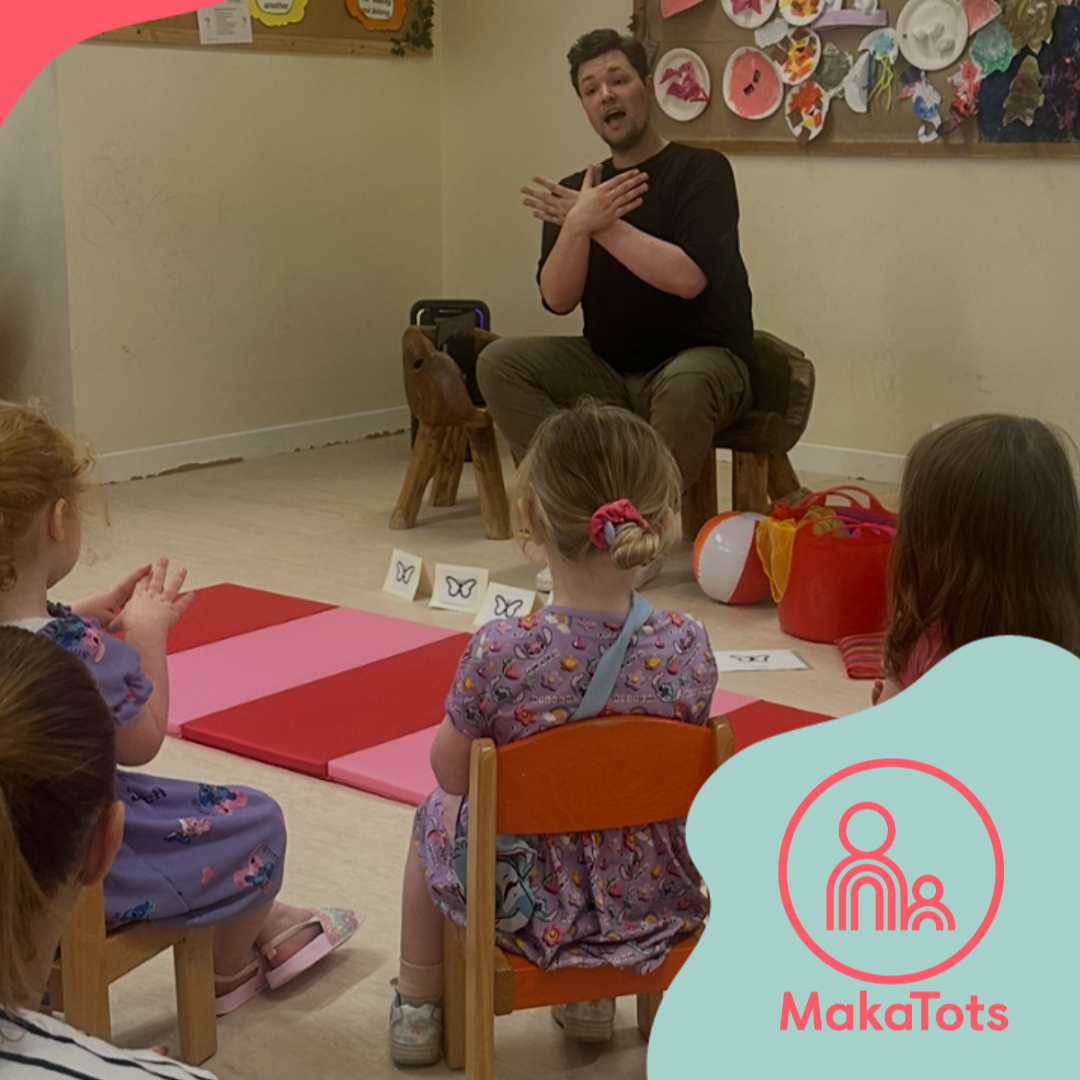
After specialising in learning and development for children - particularly those with severe or complex needs - Sam Stephen discovered MakaTots. Since then, he has become the company's first-ever franchisee, and MakaTots leader, running sessions for the past year across both Aberdeen City and Aberdeenshire.
With MakaTots still relatively new to the region, we caught up with Sam to learn more about Makaton and the benefits of integrating it into your routine with your little one.
What is Makaton and how is it different from sign language?
“Makaton is a communication programme that combines speech, signs and symbols to support both understanding and expression. It uses signs alongside spoken language, following the same word order and its purpose is to support and encourage speech, not replace it, which makes it especially effective in early years development.
“In the UK, Makaton signs are largely inspired by British Sign Language, but Makaton itself is not a language. It was developed by speech and language therapist Margaret Walker, alongside colleagues from the Royal Association for Deaf People, Katherine Johnston and Tony Cornforth - their names forming “Ma-ka-ton.”
Who is Makaton designed for and who can benefit from using it?
“Makaton was originally developed for individuals with communication and learning difficulties, but over time its benefits have proven to be far-reaching.
“It is ideal for babies and toddlers developing speech, children with additional needs and also older children and adults who require communication support.
“As a multi-modal communication programme, Makaton is underpinned by research and widely used by professionals including speech and language therapists, psychologists, educators and medical practitioners.”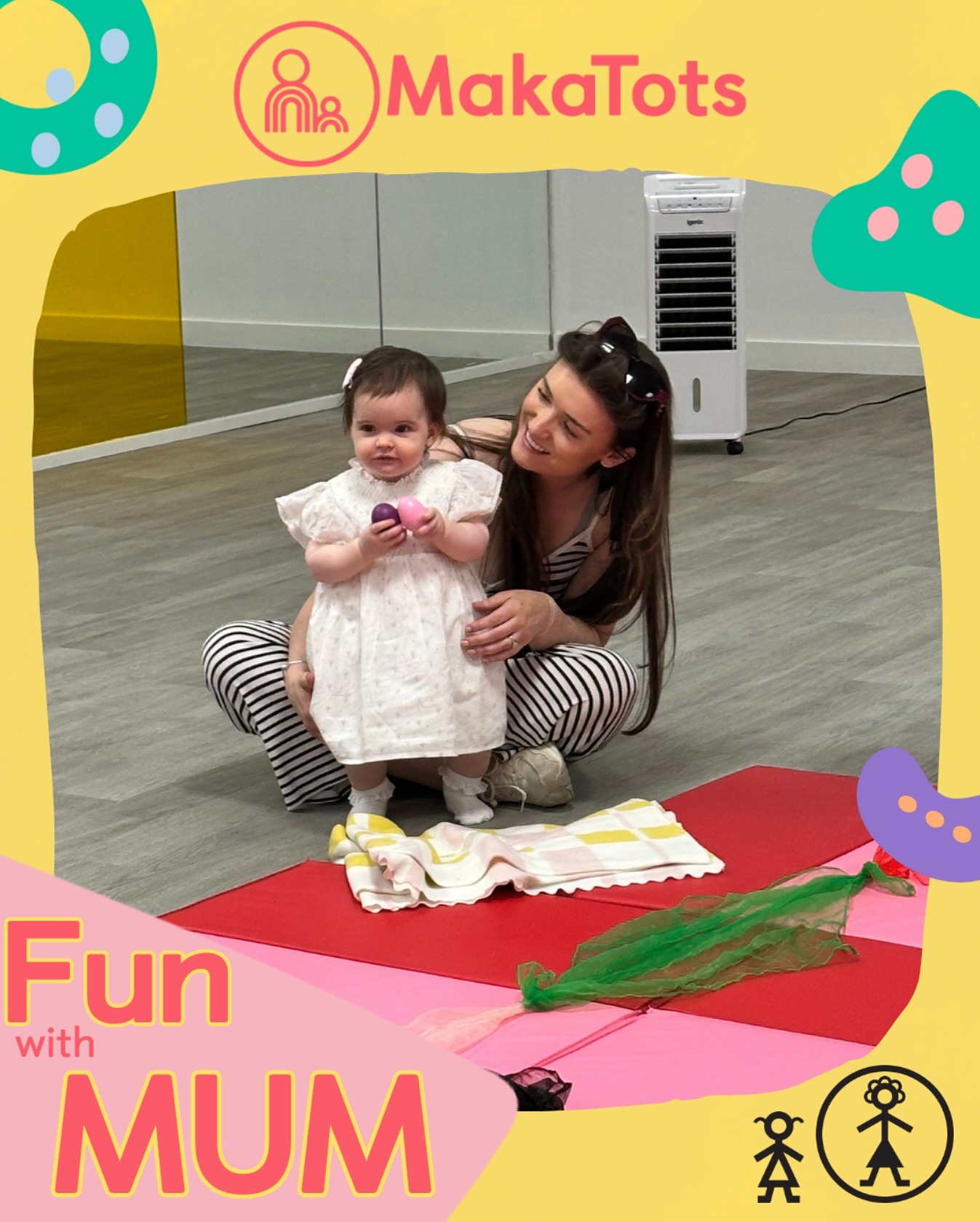
“There’s a common misconception that using signs might delay speech, when in fact the opposite is true; Makaton actively supports and encourages spoken language.
“People often begin their Makaton journey through signs, particularly because music, storytelling and the creative arts play such a strong role in early learning. However, the symbol element is just as important. Symbols provide a consistent visual reinforcement of language and meaning and I always encourage families and settings to invest time in using them alongside signs and speech.”
Why is Makaton considered such an effective communication tool for young children?
“Young children often understand far more than they are able to express verbally. Makaton bridges this gap by giving them a visual and physical way to communicate. The multi-sensory approach - seeing, hearing and doing - supports language development, strengthens memory and keeps children engaged. It is particularly powerful when used through the arts, such as music and storytelling.”
How does Makaton help reduce frustration in babies and toddlers?
“Frustration often stems from not being able to express needs, wants or feelings. Makaton gives children simple and accessible ways to communicate before speech has fully developed. Being able to sign words like “more”, “help” or “finished” allows children to feel heard and understood, which can significantly reduce frustration and tantrums.”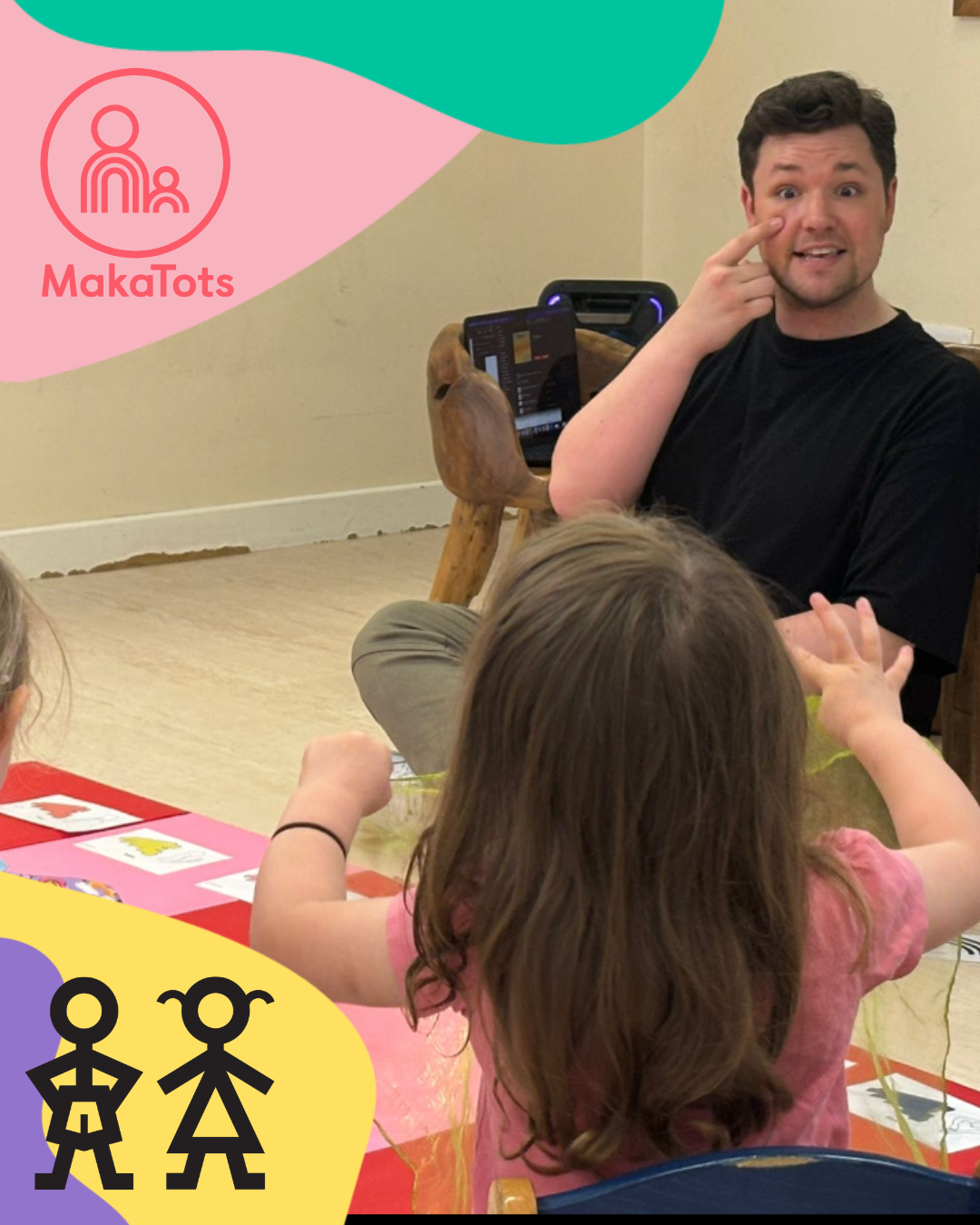
“Parents can begin with simple, high-frequency words that naturally fit into everyday routines, such as:
- “More” during meals or play
- “Eat” and “Drink” at mealtimes
- “Milk” for younger babies
- “Finished” to support transitions
- “Help” during play or tasks
- “Sleep” at bedtime
- “Please” and “Thank you” to encourage social skills
“Using these consistently helps children build clear connections between the sign, the spoken word and the action, supporting faster understanding and use.”
What can families expect when they book their first MakaTots session?
“Families can expect a warm, relaxed and welcoming environment where both children and adults learn together. Sessions are built around fun, engaging activities such as singing, storytelling and play, all supported with Makaton signs and symbols.
“Everything is clearly demonstrated, so no prior experience is needed. Adults leave each session with practical signs they can begin using immediately at home, along with access to symbols and line drawings to support continued practice.”
What changes do you often see in children who regularly attend MakaTots classes?
“Children who attend regularly often show increased confidence in communicating and interacting with others. You may notice improved attention and listening skills, stronger language comprehension and reduced frustration. Many children also go on to develop speech more confidently.”