You’re not alone in this: understanding maternal mental health and looking after yourself in early motherhood
By Mission10 Admin | 5 May 2026 7 min read
.png)
Every year, Maternal Mental Health Awareness Week, led by the Perinatal Mental Health Partnership (PMHP UK), is a chance to shine a light on the emotional wellbeing of mums and parents during pregnancy and after birth.
At The Wee Hive, we’re joining the conversation to help normalise talking about how things really feel, break down stigma and gently remind families that support is always available. No one has to go through it alone.
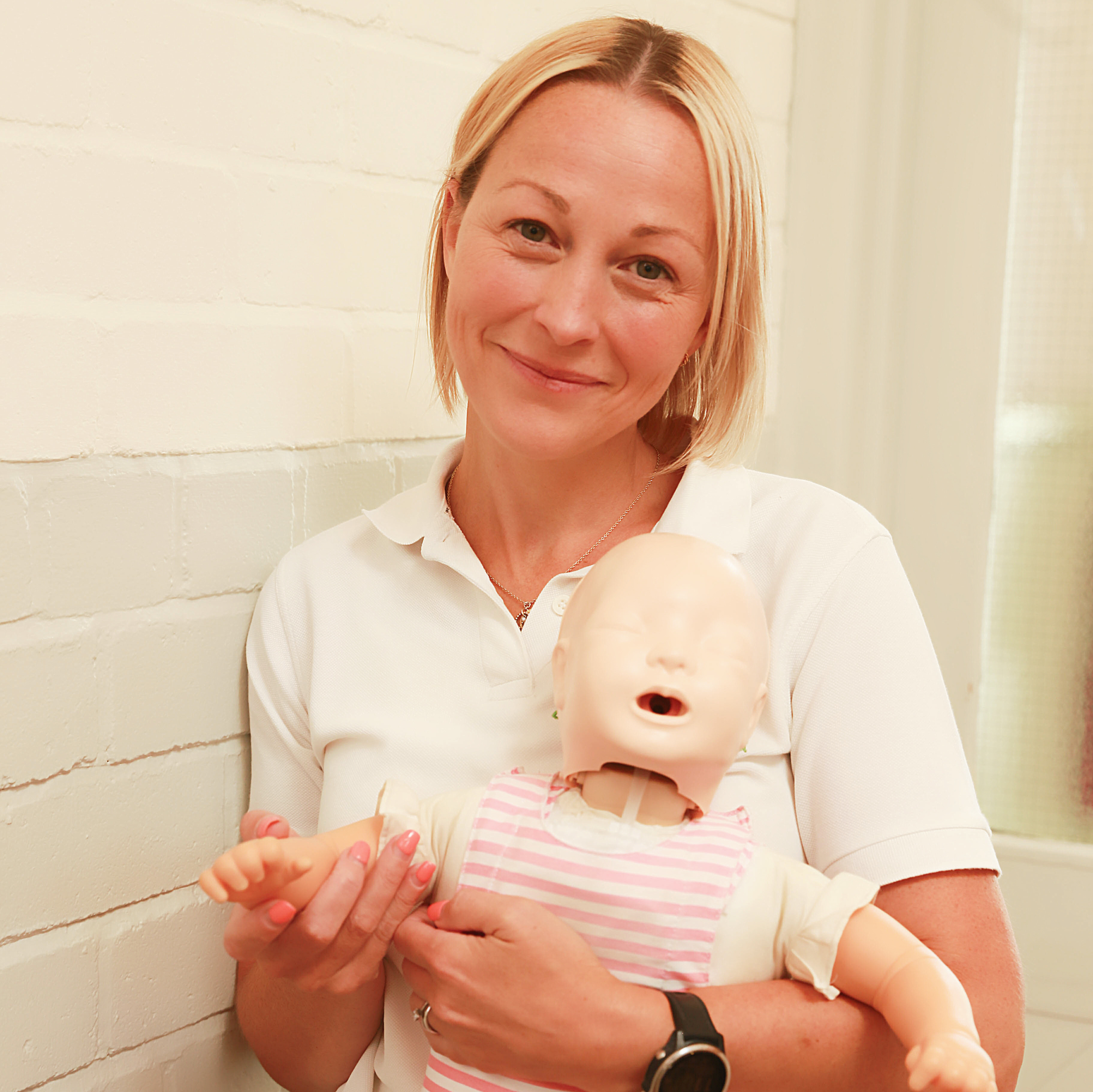
We sat down with Jennifer, Team Leader at the NHS Community Perinatal Mental Health Team in Grampian, about what early motherhood can really feel like, how to look after yourself in the early days and how to know when you might need a bit of extra support.
What’s normal after having a baby?
The early days after birth can feel like a real emotional shift. Jennifer explains that it is very normal for emotions to feel up and down during this time, as the body and mind adjust to major hormonal changes, exhaustion and the huge transition of becoming a parent.
In those first few weeks, it’s common for there to be emotional highs and lows, sometimes within the same day. As Jennifer puts it, “You might feel okay one day and then overwhelmed the next. That’s a really normal adjustment to everything that’s changed.”
For many parents, this can feel unexpected. There’s often pressure to feel instantly connected, calm or in control, but the reality is much more layered. Tearfulness, anxiety and irritability can all be part of that early transition, and they don’t always follow a set timeline.
It’s also worth remembering just how common this is. In Scotland, around 1 in 5 women experience mental health difficulties during pregnancy or in the first year after birth. Knowing this can help ease the sense that you’re somehow “not coping” when, in fact, many parents are having similar experiences.
How to look after yourself
When everything feels new and overwhelming, “self-care” can feel like another task on the list. Jennifer’s advice brings it right back to basics: small, realistic moments that help you get through the day. She says, “It doesn’t have to be anything big. It could just be having a snack you enjoy, a cup of tea or simply getting a few minutes to yourself. Giving yourself permission to do that is often the hardest part.”
Alongside this, she highlights two things that often have a big impact on mental health in the early weeks: sleep and support. Broken sleep is often underestimated, but can make everything feel harder, while practical help from others can take pressure off in small but meaningful ways.
As she explains, “Sleep is a big one. It’s something we know has a huge impact on mental health, but it’s often underestimated until you’re in it.” And where support is available, Jennifer says: “Let people help in practical ways - that can make a real difference.”
She also gently acknowledges how overwhelming modern parenting can feel, with constant information, advice and comparison. In those moments, her advice is simple: “Trust your gut, listen to yourself, and listen to your baby.”
Here are some small ways new mums can look after their mental health:
- Rest when you can, even if it is short bursts rather than long stretches of sleep
- Accept help with practical tasks like meals, cleaning or caring for the baby so you can take breaks
- Try to eat and drink regularly, even if it is simple food or snacks throughout the day
- Step outside for fresh air when possible, even just for a few minutes
- Talk to someone you trust about how you are feeling, even if it is just small things
- Be kind to yourself and let go of the idea of doing everything perfectly
- Make space for one small thing that feels like “you”, such as a shower, a warm drink or quiet time
- Reach out for support early if things do not feel like they are improving
How can family and friends support new parents?
Support in early parenthood is not just about what mums and parents do for themselves. It is also about the people around them noticing, listening and being present in small, steady ways. Jennifer highlighted that often it’s not big gestures that matter most, but simple human connection. This can be a simple “Are you OK?”.
One of the most important things friends and family can do is listen without trying to fix things straight away. Early motherhood can feel overwhelming, and having someone who can simply sit with that experience without judgement or pressure can help parents feel less alone.
She also spoke about the value of gentle check-ins. Asking “How are you really doing?” and being open to the answer can create space for honesty, even if someone is not ready to fully open up.
Practical help can also make a real difference. Small things like making a meal, helping around the house or giving a parent time to rest can ease pressure in ways that are often underestimated.
Jennifer’s message was simple: presence matters. Listening, noticing and offering calm, non-judgemental support can help parents feel seen and less alone in the early months.
When might it be time to reach out for support?
It can be difficult to know when normal adjustment becomes something that needs extra support, but Jennifer encourages parents to take note of how long and how intensely things are lasting.
If feelings aren’t easing after a few weeks or months, or are becoming more intense or harder to manage day-to-day, it may be time to reach out. Professionals look out for things like ongoing low mood or anxiety, feeling hopeless, struggling to bond with your baby, poor appetite, struggling to sleep (even after baby is settled) or intrusive thoughts. These experiences can feel frightening, but Jennifer is clear that they are more common than many people realise.
One of the biggest barriers she sees is fear, particularly the worry that asking for help could lead to judgement or even involvement from services.
She told us: “We know it can feel scary to ask for help, especially with worries about what might happen next. But reaching out is about understanding your situation and helping you and your baby feel supported.”
Her most important message is simple reassurance:
“It’s incredibly common. And mixed emotions are really normal. It’s important to remember that things can co-exist - just because things are difficult doesn't mean that you're not happy and doesn't mean that you're not a good parent.”
About Jennifer and her team’s work
Jennifer is a Team Leader within NHS Grampian’s Community Perinatal Mental Health Team, part of the wider Parent and Infant Mental Health Service. The service brings together three specialist teams supporting families from preconception through pregnancy and up to early childhood.
The Community Perinatal Mental Health Team works with people experiencing moderate to severe mental health difficulties during pregnancy and up to one year after birth, providing multidisciplinary, specialist care across the Grampian region. The team also supports individuals with complex mental health histories during preconception planning and pregnancy, working closely with maternity services and community partners to ensure safe, joined-up care.
As Team Leader, Jennifer supports the coordination of this multidisciplinary service, helping to ensure timely access to care, effective collaboration across services, and ongoing development of specialist perinatal mental health support in NHS Grampian.
Support available to you
If you’re in Grampian and things don’t feel quite right, support is available through your GP, midwife or health visitor, who can connect you with services via NHS Grampian.
You can also contact Breathing Space, PANDAS Foundation UK, or call NHS 24 on 111 if you need urgent support.

-(1)-v1.jpeg)