You may have heard the term sensory play, but what does it actually mean - and why is it so important for children’s development?
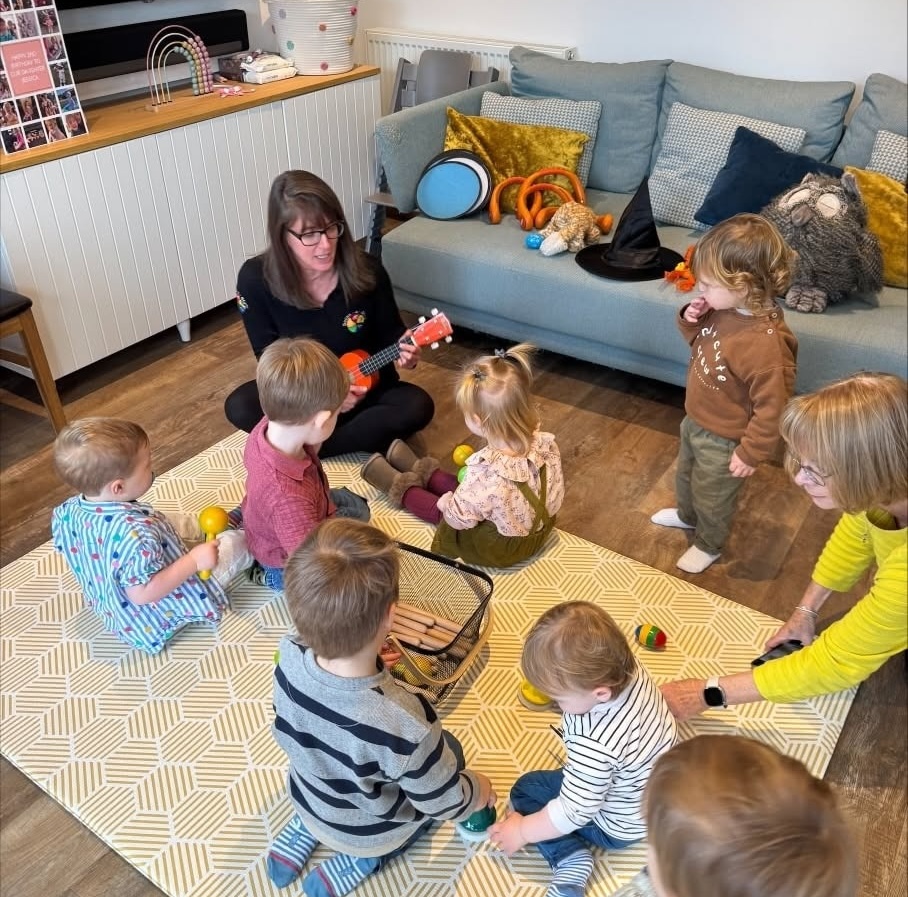
We caught up with Stevie Lyon, an avid reader and mum of three, who runs Sense-a-Story - a class that transforms traditional storytelling into immersive, multi-sensory experiences for children in Aberdeen. Designed to be inclusive and flexible, the sessions allow every child to engage at their own pace and in their own way. She talks us through sensory play and explains what families can expect from her sessions.
What exactly is sensory play?
“Sensory play is any activity that stimulates the senses - sight, sound, smell, touch and taste. Think scooping dry oats or rice, pouring water from one container to another, smelling and squishing scented playdough, banging on different sized pots and pans and popping bubbles.
“Play that stimulates the vestibular sense (our sense of balance and movement) and proprioception (body awareness) is also sensory play. This could include jumping on a trampoline or transporting weighted soft toys.”
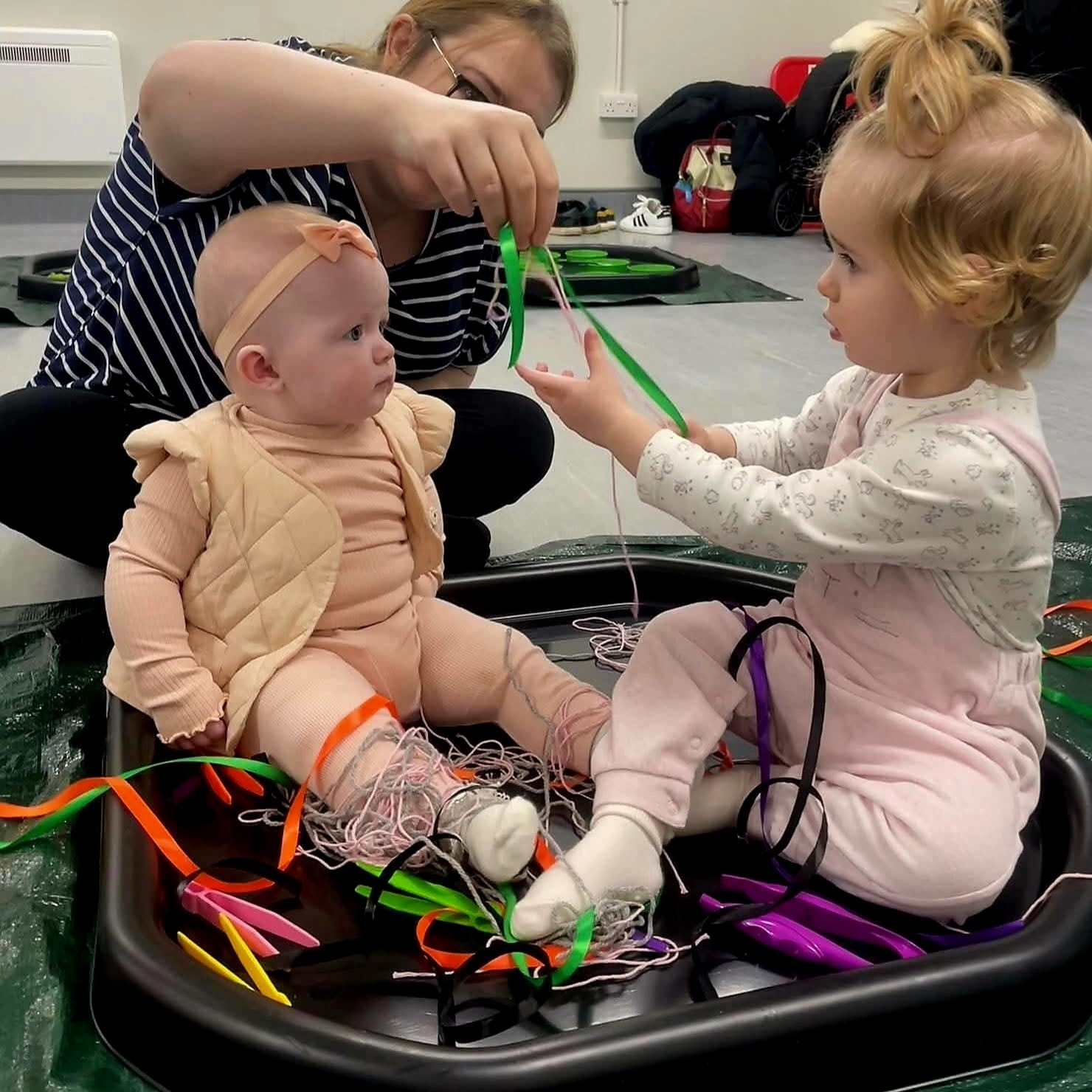
“Sensory play is vital because it’s how babies and young children are naturally wired to learn. From birth, the brain depends on sensory input to build neural connections that form the foundation for learning, thinking and emotional development.
“These experiences help children:
- Build cognitive skills such as problem-solving, memory, creativity and understanding cause and effect
- Develop fine motor skills (like grasping and mark-making) and gross motor skills (like crawling and balancing)
- Strengthen language development as they describe and explore
- Learn emotional regulation and self-awareness
“It’s not just play - it’s essential, brain-building work that supports every area of development, from thinking and language to emotional wellbeing.”
Do different senses support different areas of development?
“Yes, each sense contributes to different developmental areas:
- Sight supports spatial awareness, colour and pattern recognition and hand-eye coordination
- Hearing develops language, listening skills and sound discrimination
- Smell is strongly linked to memory and emotion
- Touch supports fine motor skills, tactile awareness and emotional regulation
- Taste helps with oral motor skills and exploring textures and preferences
- Vestibular input supports balance, posture and coordination
- Proprioception helps children understand where their body is in space and how much force to use
“However, when senses are experienced together, they create stronger neural connections and a more solid foundation for learning.”
How does sensory play support emotional regulation in babies and young children?
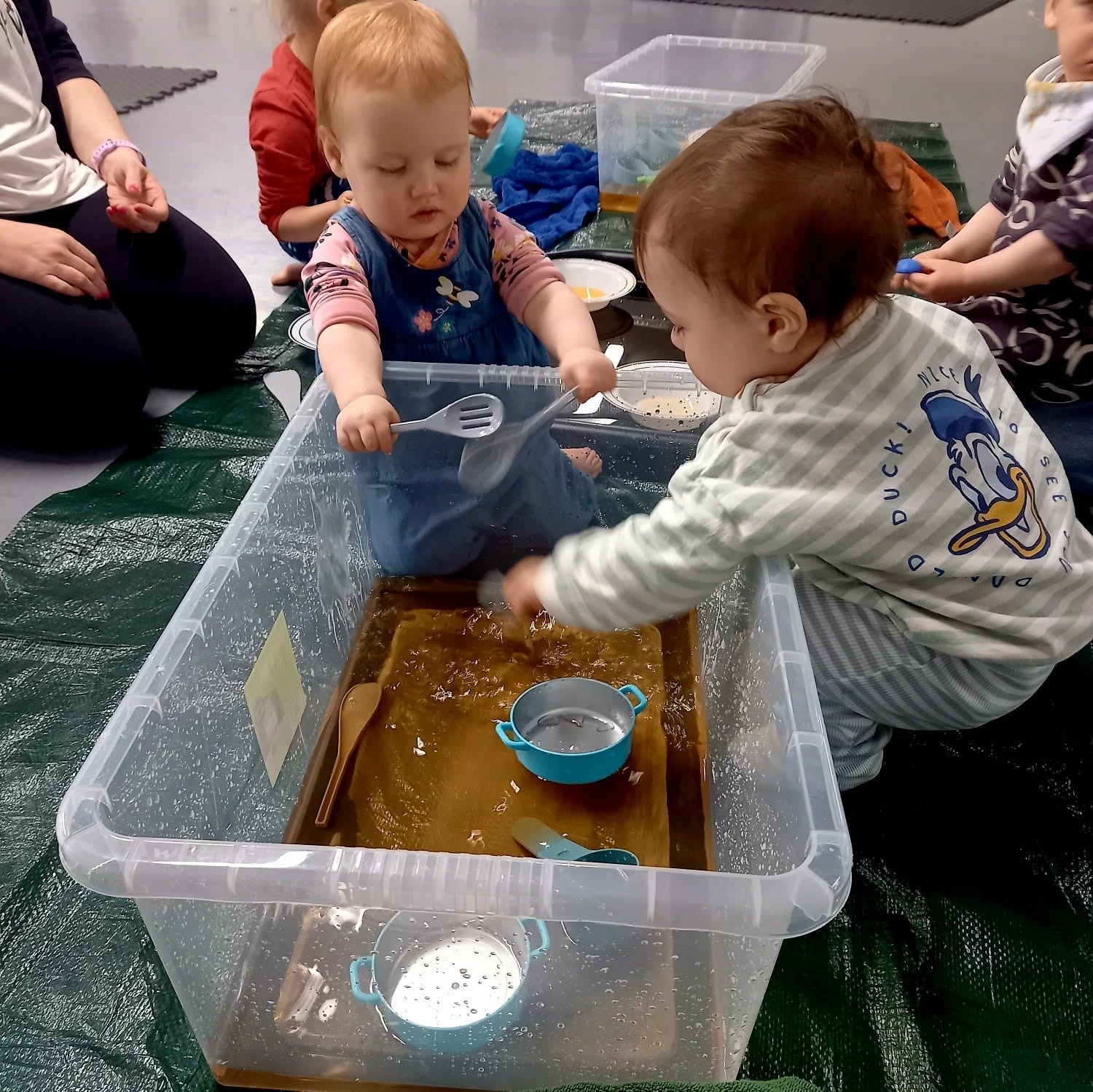
“Sensory play can have a calming effect on the nervous system. Activities like squeezing playdough, pouring water, watching bubbles, smelling scents or gentle spinning can help children feel more settled.
“Through sensory exploration, children begin to understand what helps them feel calm and regulated. This builds self-awareness and gives them tools they can use to manage emotions as they grow."
Is sensory play beneficial for children with additional support needs?
“Yes, sensory play can be particularly beneficial for children with additional support needs.
“It supports sensory processing - the brain’s ability to receive, organise and respond to sensory information. Some children may be hypersensitive (overwhelmed by certain sensory stimuli), therefore controlled sensory experiences can help them explore sensations safely and build tolerance.
“Others may be sensory seekers and benefit from richer input that meets their need for stimulation.”
What are some simple, effective sensory activities parents can try at home?
“Simple activities can be highly effective, such as:
- A tray of dry oats with scoops and containers for pouring
- Homemade playdough with added scents like lemon, cinnamon or mint
- Banging wooden spoons on pots, pans and bowls
- Sealed ziplock bags filled with water or paint for squishing and moving
- Yogurt in a tray for finger drawing and colour mixing if you add a few drops of food colouring
- Movement activities like jumping, swinging or balancing along a low wall
Are there common mistakes parents make when trying sensory play at home?
“Some common misconceptions include:
- Thinking sensory play has to be messy - while messy play is sensory, not all sensory play is messy
- Over-directing the activity - children benefit more from open-ended, child-led exploration
- Believing you need elaborate set-ups - simple activities are often more effective and less overwhelming
“Keeping things simple and allowing children to lead encourages creativity, confidence, focus and a genuine love of learning.”
What can parents expect from a session at Sense-a-Story?
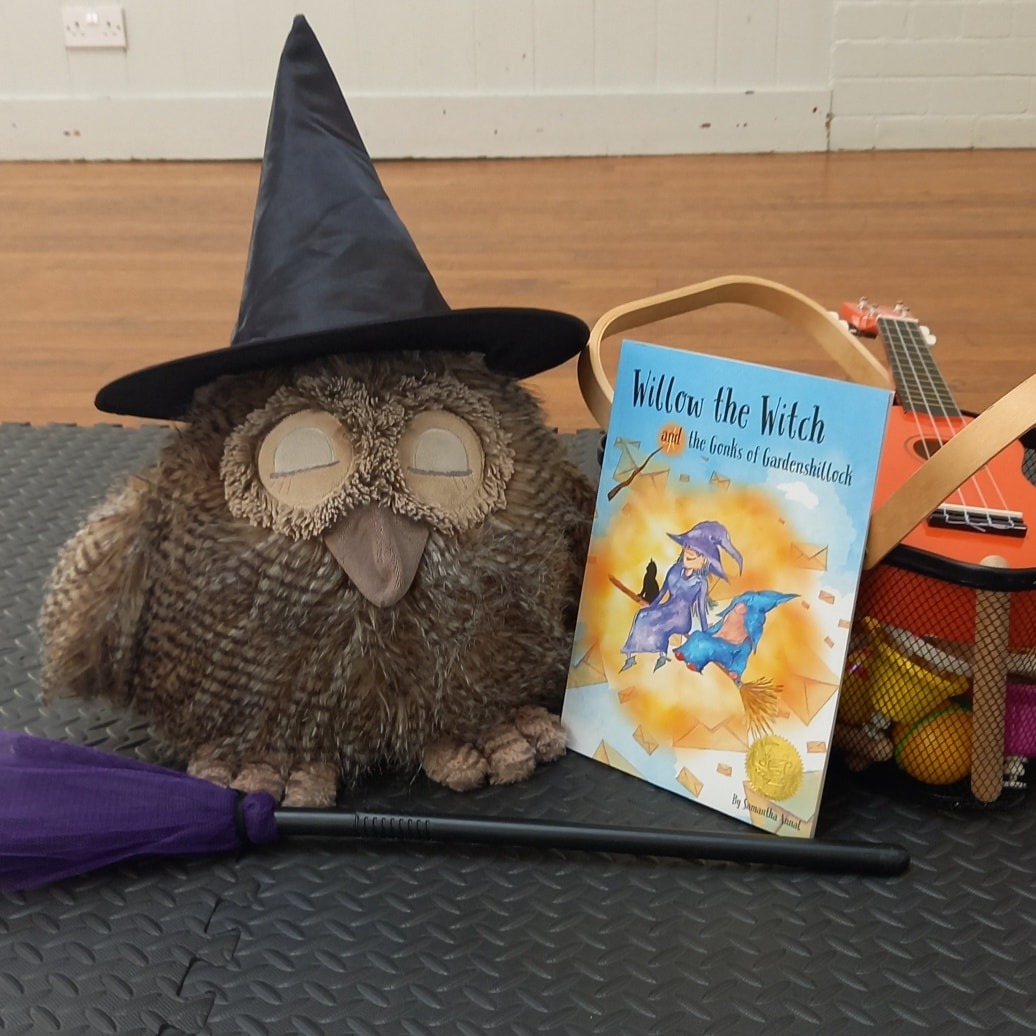
“Each week, a new story is brought to life through sensory play, encouraging children to be fully immersed in the storytelling experience.
“Children might see a rainbow appear, hear the stormy sea, trip trap over a bridge, smell a dragon’s fiery breath, feel mud between their toes, taste seaweed from a rockpool or crawl through underground tunnels.
“Each 45-minute session follows a consistent structure to provide familiarity and routine, but every week offers a fresh, multisensory experience. Sessions are designed to nurture a love of stories while supporting children’s sensory and overall development in a fun, engaging way.”
If parents take away one thing about sensory play, what should it be?
“Sensory play is one of the most powerful ways children learn and develop because their brains are wired to explore the world through their senses.”