Becoming a mum is an incredible journey, but finding time for yourself - especially for exercise - can feel impossible. We spoke to Rhona from Deeside Fitness and Jess from The Thriving Mum Hub to hear their practical tips, safe ways to ease back into fitness, and ideas for involving your little ones so you can move, connect, and feel like yourself again.
Meet our experts
Jess - Founder, The Thriving Mum Hub
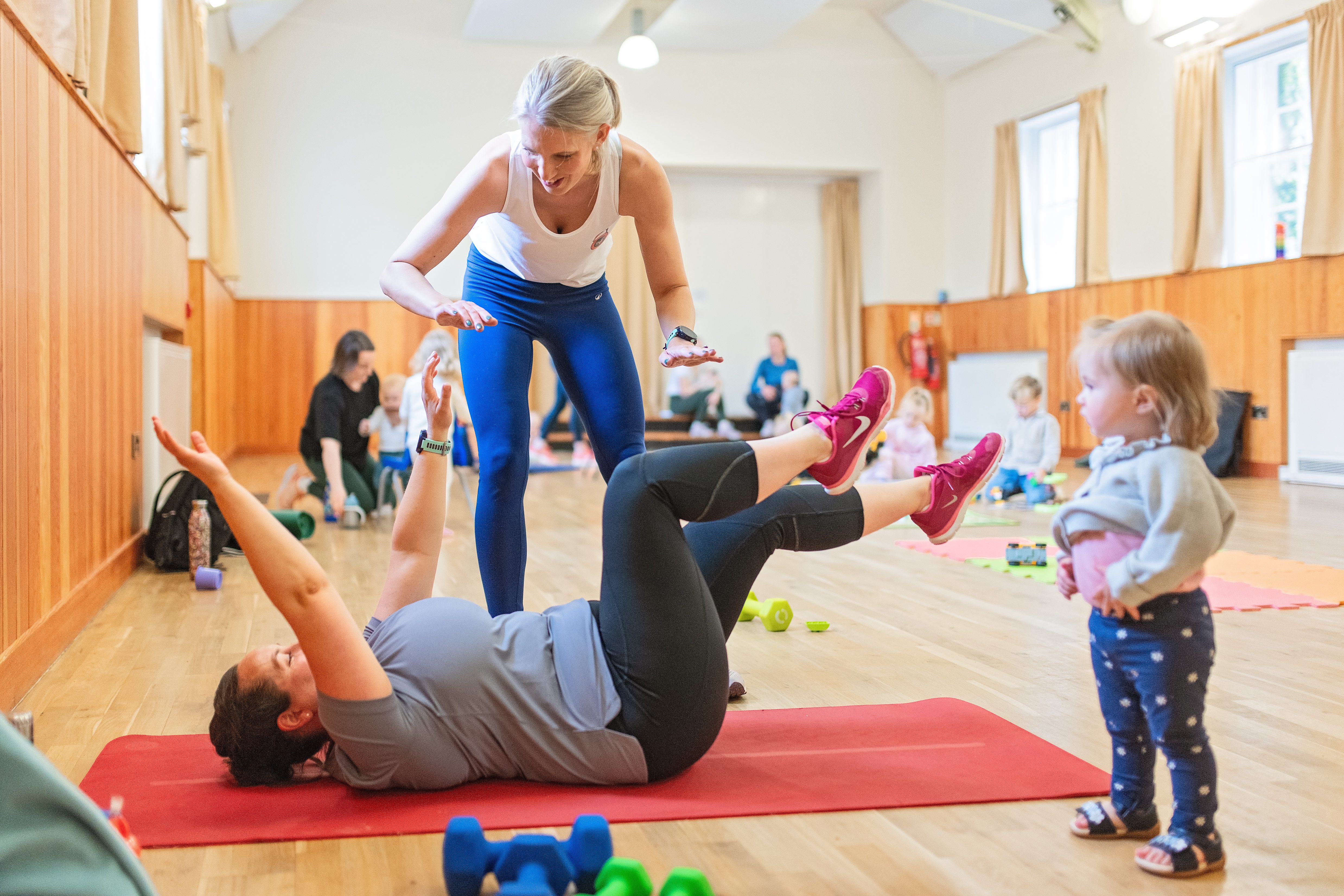
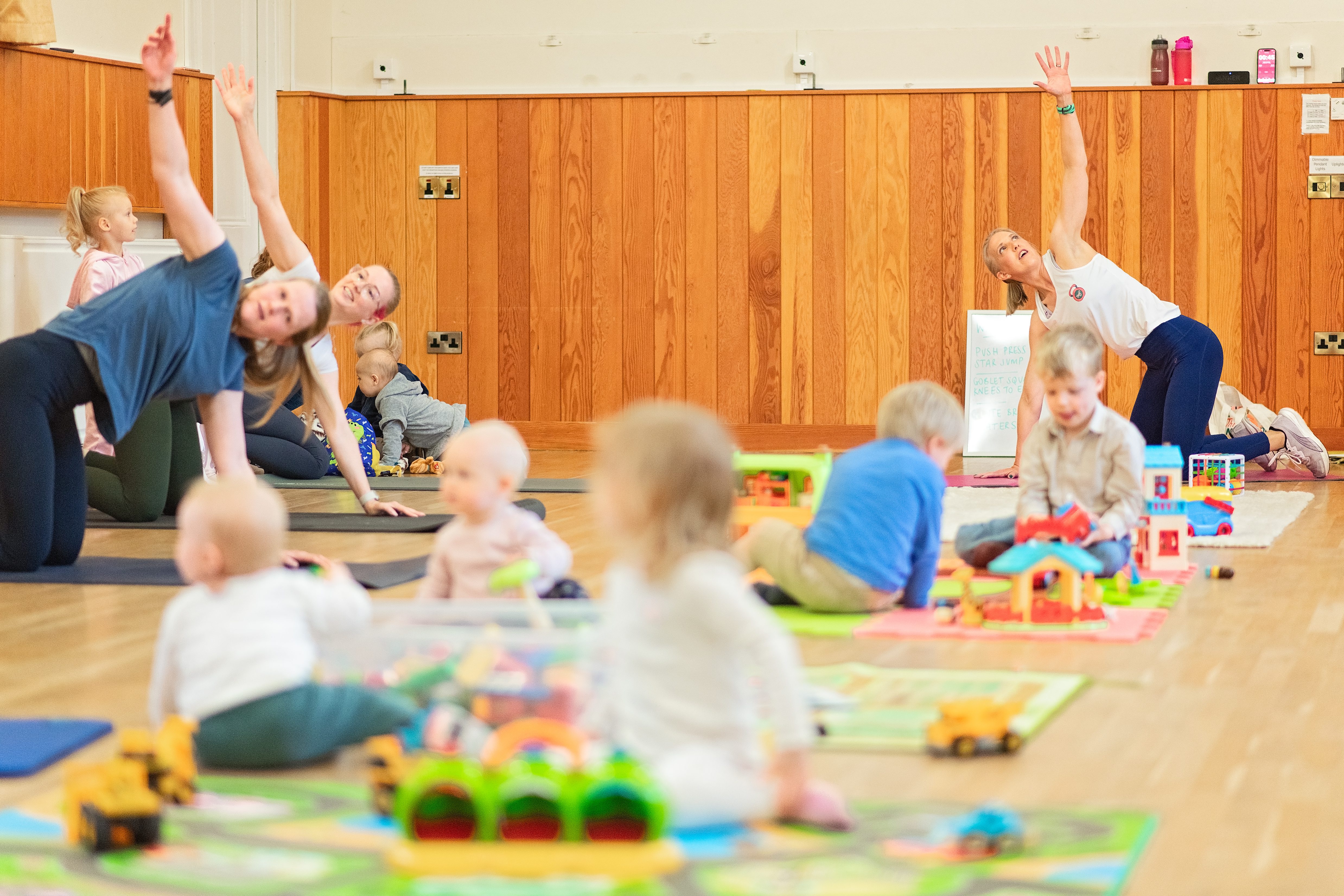
Jess: “Hi, I’m Jess, founder of The Thriving Mum Hub. I run Bairn & Me, a fitness class for mums where little ones can come along too. We welcome children of all ages, from 8 weeks to preschoolers, and it’s always great fun. It’s a space where mums can move their bodies without worrying about childcare, while little ones are part of the experience.
“I’ve also recently launched The Thriving Mum Hub Membership, an online platform for busy mums who want to feel like they’re thriving again, not just surviving. Drawing on my qualifications and experience as a pre- and postnatal fitness trainer and former primary school teacher, the membership offers safe pre- and postnatal workouts that can be done at home, at a time that suits them. It also includes simple play ideas, meal inspiration and the chance to connect with like-minded mums for that all-important sense of community. The focus of The Thriving Mum Hub is on taking care of mum, so she can take care of everyone else.”
Rhona – Personal Trainer, Deeside Fitness
Rhona: “Hi, I’m Rhona, the face behind Deeside Fitness. I’m a qualified Level 3 Personal Trainer specialising in pre- and postnatal exercise, offering both 1:1 personal training and group fitness classes.
“I’ve been running a mum and baby fitness class in Banchory for over 8 years. As a mum to two young children, I truly understand how busy and demanding life can be, and how often our own fitness and wellbeing slip to the bottom of the list. One of my main aims is to break down the barriers that stop mums and families from exercising.
“My mum and baby class is a welcoming space where you can bring your baby - and older children - along, removing the stress of childcare and creating a safe, supportive environment for everyone. The classes are relaxed and flexible, allowing you to go at your own pace with no pressure. Both of my children have attended classes with me, so I completely understand how unpredictable little ones can be. Everything is designed with real life in mind, creating a space where mums can move, connect and prioritise themselves without stress or guilt.”
How can mums safely ease back into fitness after childbirth?
Rhona: “It’s recommended to wait around 8 weeks after a vaginal birth and 12 weeks after a caesarean before returning to exercise. However, this is very general guidance. Every woman’s experience of pregnancy and birth is unique, and our bodies heal at different rates. Growing and birthing a baby puts enormous pressure on the body and involves many physiological changes, so returning to exercise can feel daunting.
“Before more intense exercise, make sure your pelvic floor and core are functioning well. Start slowly and build gradually. In the early days, focus on pelvic floor exercises and reconnecting with your breathing, deep core and pelvic floor muscles - the NHS Squeezy app can help with reminders.
“Consider gentle mobility and stretching, especially for the upper back, chest, hips and ankles. Be mindful of posture, as feeding can cause the shoulders to round - think about lengthening your collar bone and opening your chest.
“Walking is also a great, free and convenient form of exercise that you can do with your baby in a buggy or carrier. If possible, include some walks without a buggy to allow your arms to swing and trunk to rotate. Walking with a friend instead of meeting for coffee benefits both physical and mental health.
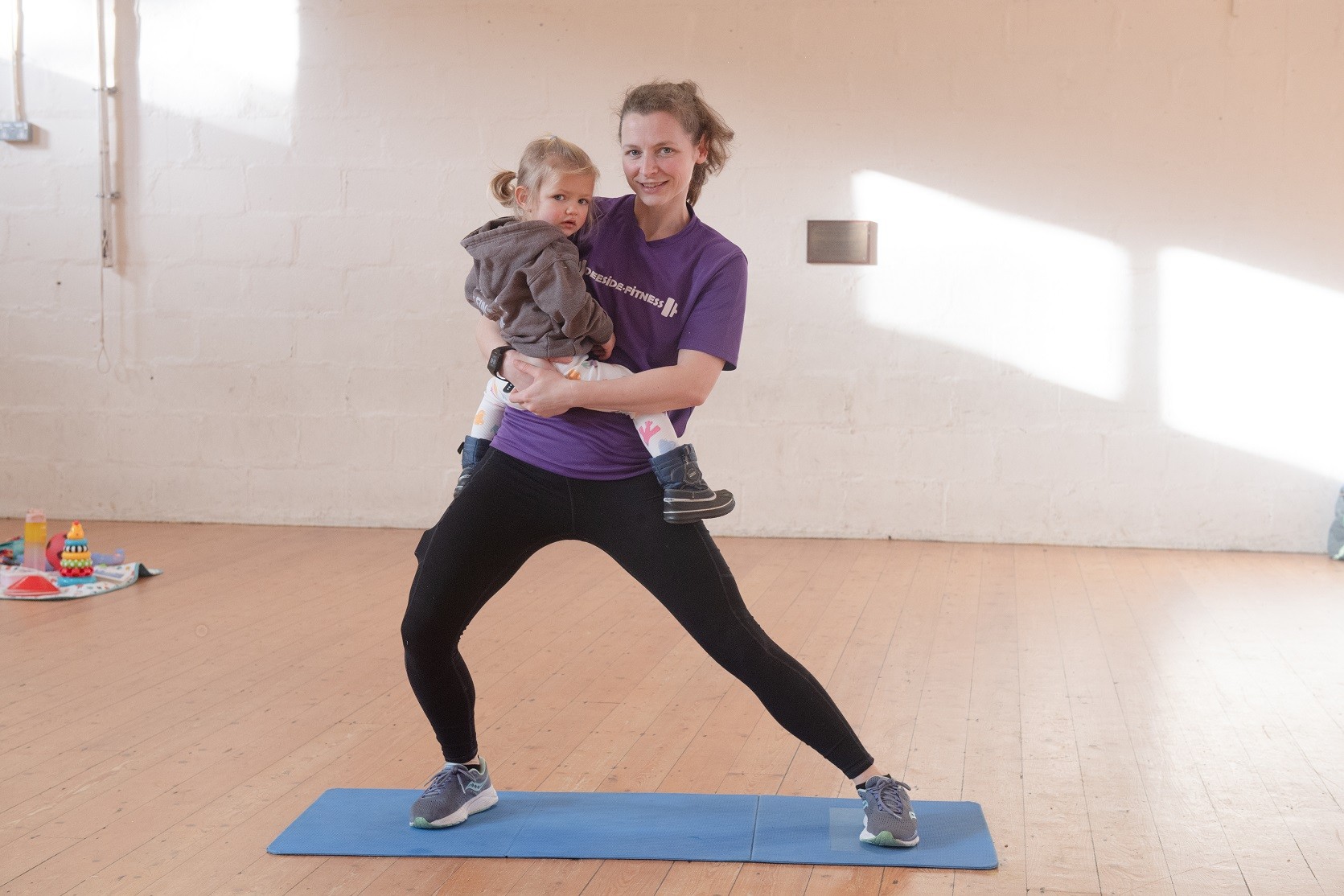
“Gradually introduce low-impact functional bodyweight exercises such as squats, lunges, bending, lifting and reaching - movements you use every day, often while holding your baby. Building strength here helps prevent injury.
“Once you’ve built baseline strength, feel stronger and energised, you may be ready to add higher-impact exercise, including running - but always progress slowly and listen to your body.”
What are the top three tips you would give to a new mum wanting to start exercising again?
Jess:
- "Be patient. You’ve been growing your little one for nine months - you don’t need to snap back in a matter of weeks.
- Try not to compare yourself to others. We’re all different, so it’s important to listen to your own body and stay in your own lane as you return to exercise.
- Short, regular workouts are better than one long one every now and then. It doesn’t have to be the perfect workout to count, either. Consistency over perfection is one of the key messages we stand by at The Thriving Mum Hub. Finding small pockets of time in your day, just for you, can work wonders for your overall wellbeing."
Are there ways for mums to involve their babies or make exercise more family-friendly?
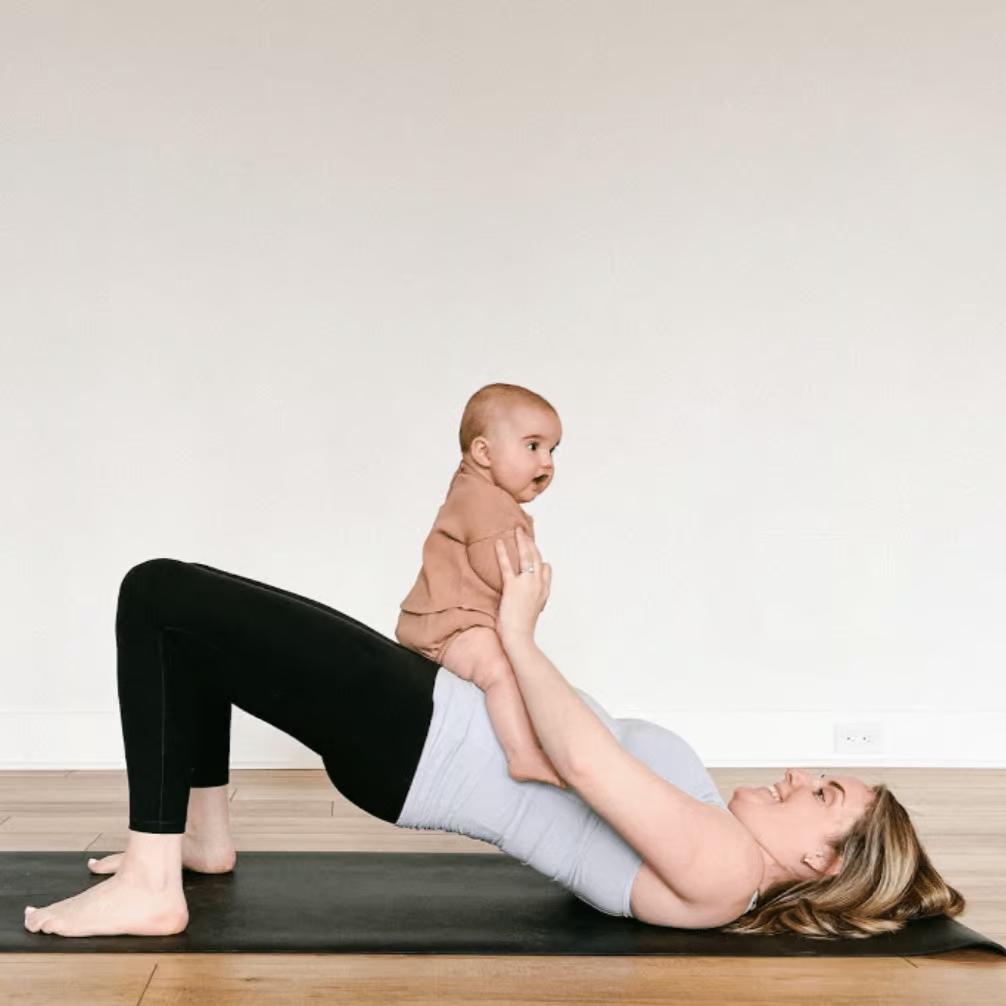
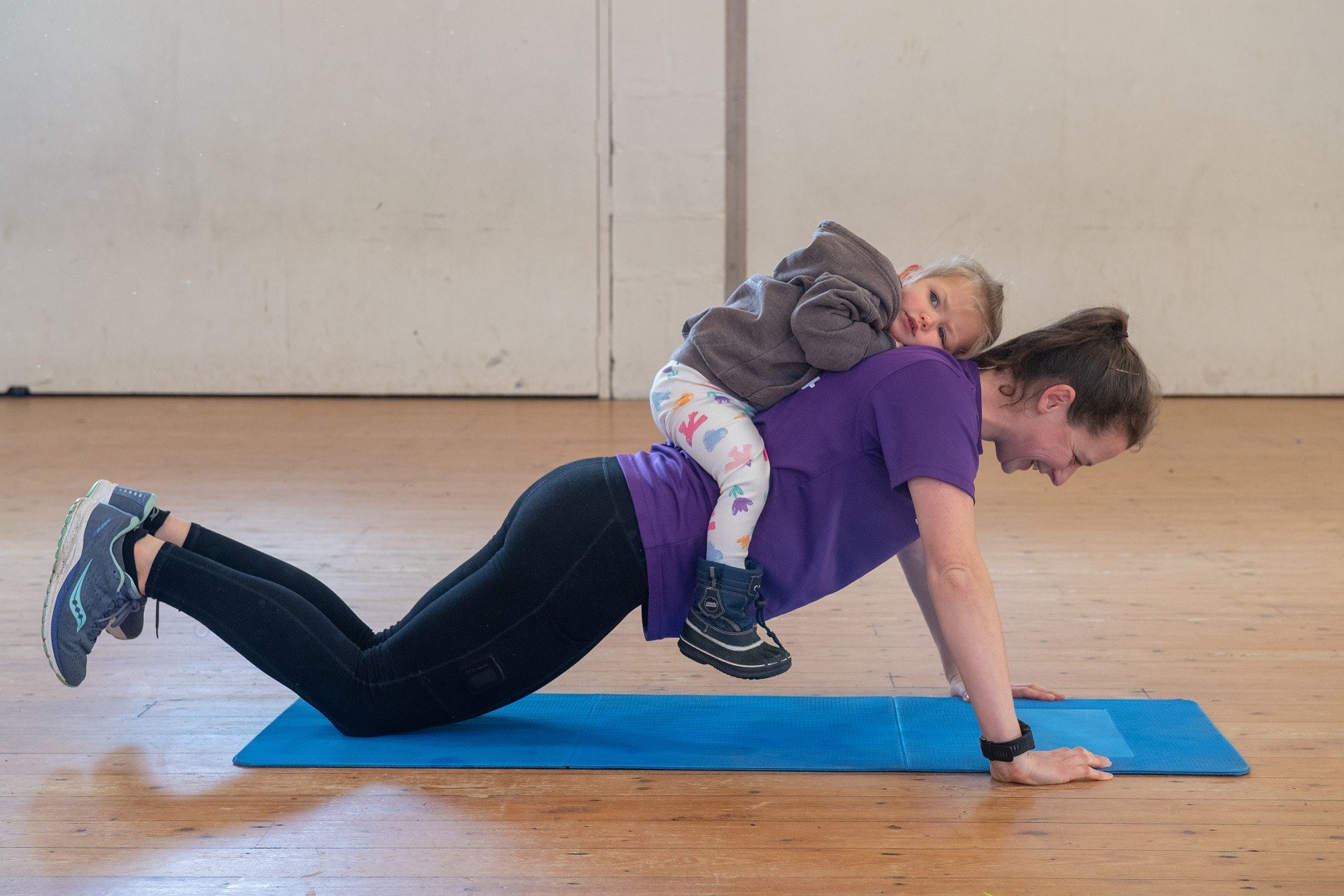
Rhona: “Getting your baby or toddler involved can be a fun and practical way to exercise. You can use your baby as resistance - for example, holding them while you squat or sitting them on your hips during a glute bridge. It’s a lovely way to bond and also a natural way to add progressive overload, as your child grows and gets heavier.
“Another great option is walking or running with your baby in the buggy. You can turn it into a little adventure - take a picnic or snack and stop off at the park or woods for a play. Your child benefits from the fresh air and might even have a nap, and the added bonus is that it’s completely free.
“Keep things simple. You don’t need anything fancy - an exercise mat and some resistance bands can be very useful. A helpful tip is to keep the mat out or somewhere easy to see and access, so you can fit in five or ten minutes of exercise whenever your baby allows.”
Do you have tips for fitting exercise into a busy day with a baby?
Jess: “It’s hard. You’re tired. And sometimes exercise is the last thing you want to do. But 99% of the time, you’ll be so glad you made the time to move your body. Remember, it doesn’t have to be a long workout - just 15 minutes can make a difference, particularly if you’re consistent.
“You don’t need any fancy equipment either; bodyweight workouts are great. Once exercise becomes a habit, you’ll find it much easier to prioritise and maintain. Try to choose something you genuinely enjoy doing, as that will really help with motivation. And remember, a power walk with the pram, a kitchen dance party, or running around after a toddler all count as movement.
“It’s recommended that we aim for two 30-minute strength sessions each week, alongside 180 minutes of moderate exercise. Classes like Bairn & Me, as well as the online membership, can help you achieve this.”
How important is it to listen to your body, and what signs should mums look out for when exercising?
Rhona: “Listening to your body after pregnancy is crucial. Pregnancy, labour and delivery bring significant physiological and psychological changes, so it’s important to be aware of warning signs when exercising."
Pelvic floor dysfunction may include:
- Leaking urine when coughing, sneezing, jumping or exercising
- Urgency to urinate
- Leaking faeces or wind
- Constipation or difficulty emptying bowels
- Heaviness or dragging in the pelvic area
- Pain during intercourse
- General pelvic or lower back pain
Diastasis recti (separation of the abdominal muscles) is also common after birth and often resolves naturally, but some signs to look out for are:
- Doming or bulging down the centre of the tummy, especially when sitting up or exerting yourself
- Sinking in at the centre of the tummy on exertion
- Lower back pain
- Weakness or difficulty performing some exercises
*If you notice any of these symptoms or have concerns, speak to your GP or a pelvic health physiotherapist.
How can exercising benefit mental health as well as physical recovery after having a baby?
Jess: “Exercise after having a baby can significantly benefit mental health, which is a big reason why I created The Thriving Mum Hub. It can help reduce stress and anxiety, boost mood through the release of endorphins, and lower the risk of postnatal depression. It can also improve sleep quality, increase confidence and self-esteem, and provide valuable time for yourself and a sense of routine - helping new mums feel more balanced and emotionally resilient.”
What’s one encouraging message you would give to a mum who feels nervous about exercising after giving birth?
Jess: “Your body has just done something incredible, and returning to exercise is about rebuilding trust in it. Take your time, start small, listen to your body, and remember that every little step you take is already a win.”